
Tree Health and Holistic Tree Duty of Care Survey’s
To fulfill a tree owner's duty of care responsibilities, Arboricultural surveys assess structural integrity, root health, physical condition, disorders and disease, and provide a detailed report on health and safety. The majority of the surveys are visual tree assessments (VTA) and if necessary, more detailed internal investigations can be carried out by Sonic Tomograph and Resistograph Testing, and Air Spade Recommendations (see below). Aerial inspections are also used for the collation of detailed information.
Assessing trees for hazard and specification of remedial works if necessary
Specification of short and long term prudent maintenance programmes
Investigating cases where trees are alleged to be involved in structural damage to buildings
Health & Safety Duty of Care Reports
Assessing plant ecology and providing environmental impact reports
Investigating accidents caused by tree failure
Formulating Tree and Woodland Management Plans
Applications to Local Authority for tree management to work in conservation areas or on trees protected by a Tree Preservation Order
Assess and formulate plans for tree feeding and root invigoration
Compilation of Arboricultural Method Statements and liaise with local authorities in regard to BS5837 (British Standard) (2012) 'Trees in Relation to Design, Demolition & Construction'.
Planning Liaison and Arboricutural Method Statements
The Arboricultural Method Statement offers a bespoke service with extensive knowledge of technical solutions, whether for a small extension or a multi million pound project. It is required by the Local Planning Office to provide methodology and compliance guidelines for critical tree protection during all developmental stages, from inception to completion, for the architect, the developer and the client, during the following stages:
Tree Survey - once the topographical plan is provided to show all existing trees and hedges on site, the Arboricultural Consultant will carry out a detailed report with preliminary constraints advice;
Design Assessment - feedback regarding proposals;
Tree Protection Implementation - methodology complying to BS5837 (2012).
Project Monitoring - visits during construction ensuring adherence to protection measures;
Discharge of relevant Planning Conditions for Local Authorities.
Tree roots are happiest when they radiate outwards. With careful consideration, and protection guidance from the arborist, who compiles the BS5837 (2012) Arboricultural Method Statement and Tree Constraints Plan, existing trees and developmental construction, can, and will dwell in harmony.
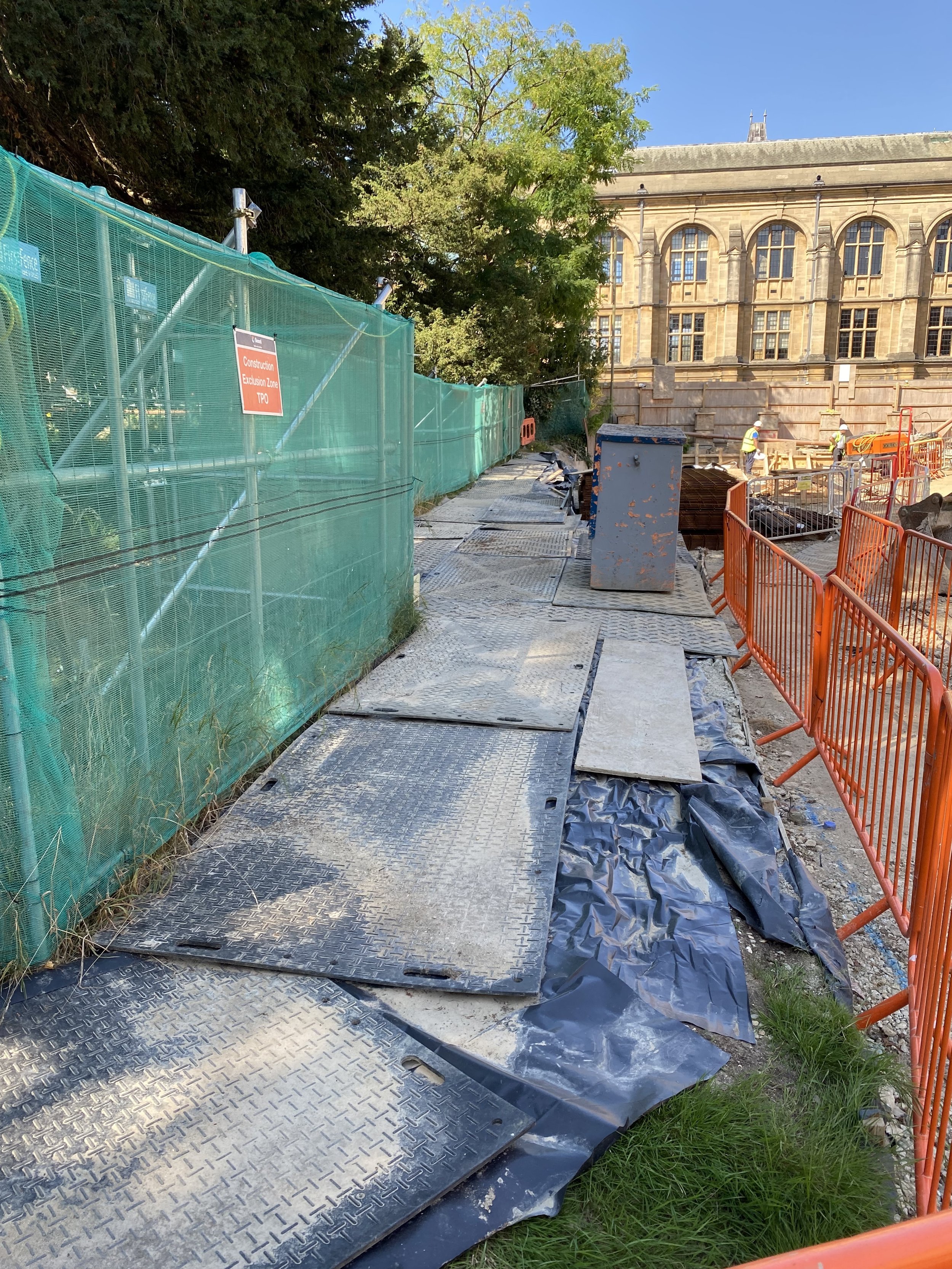
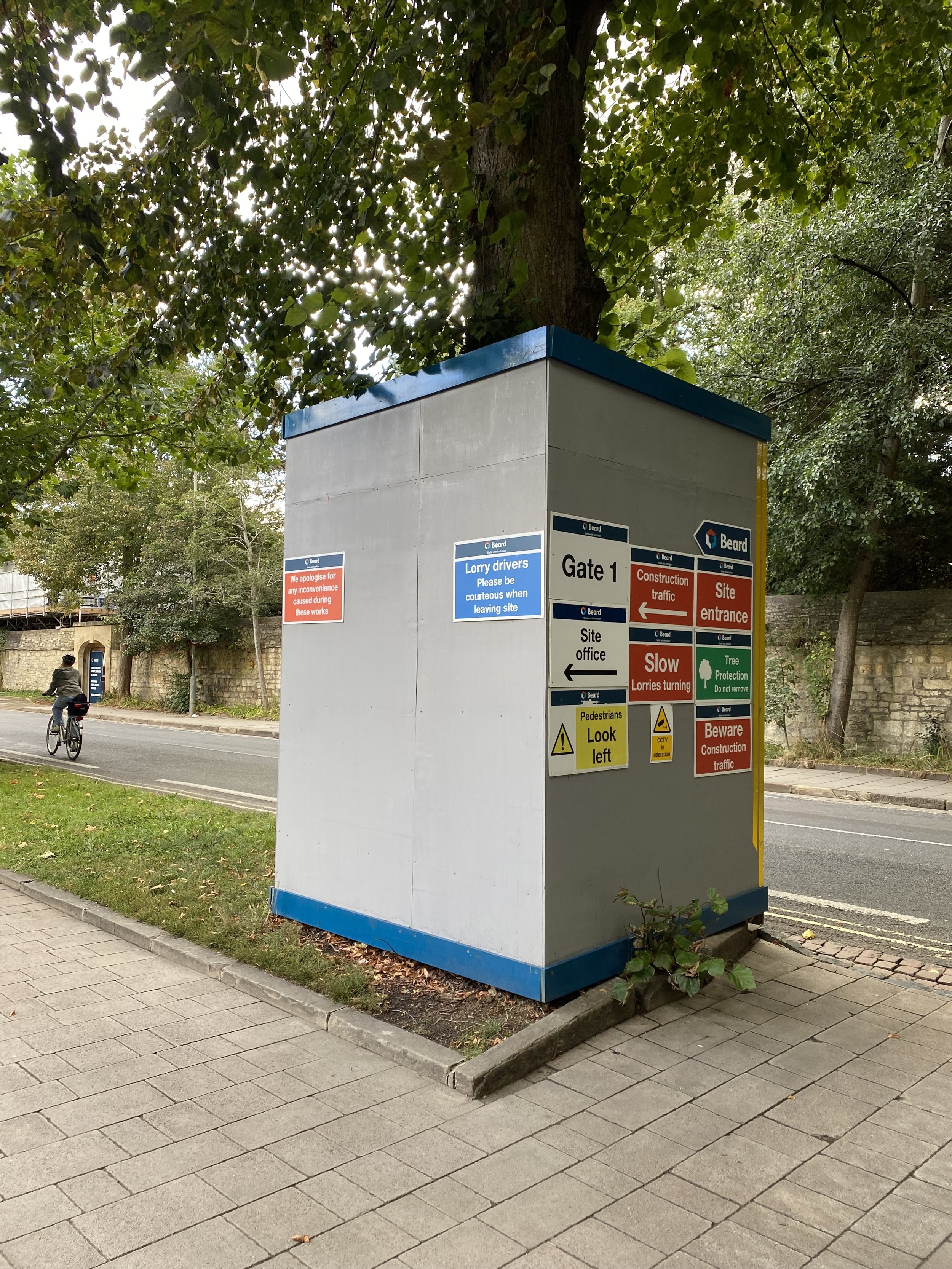
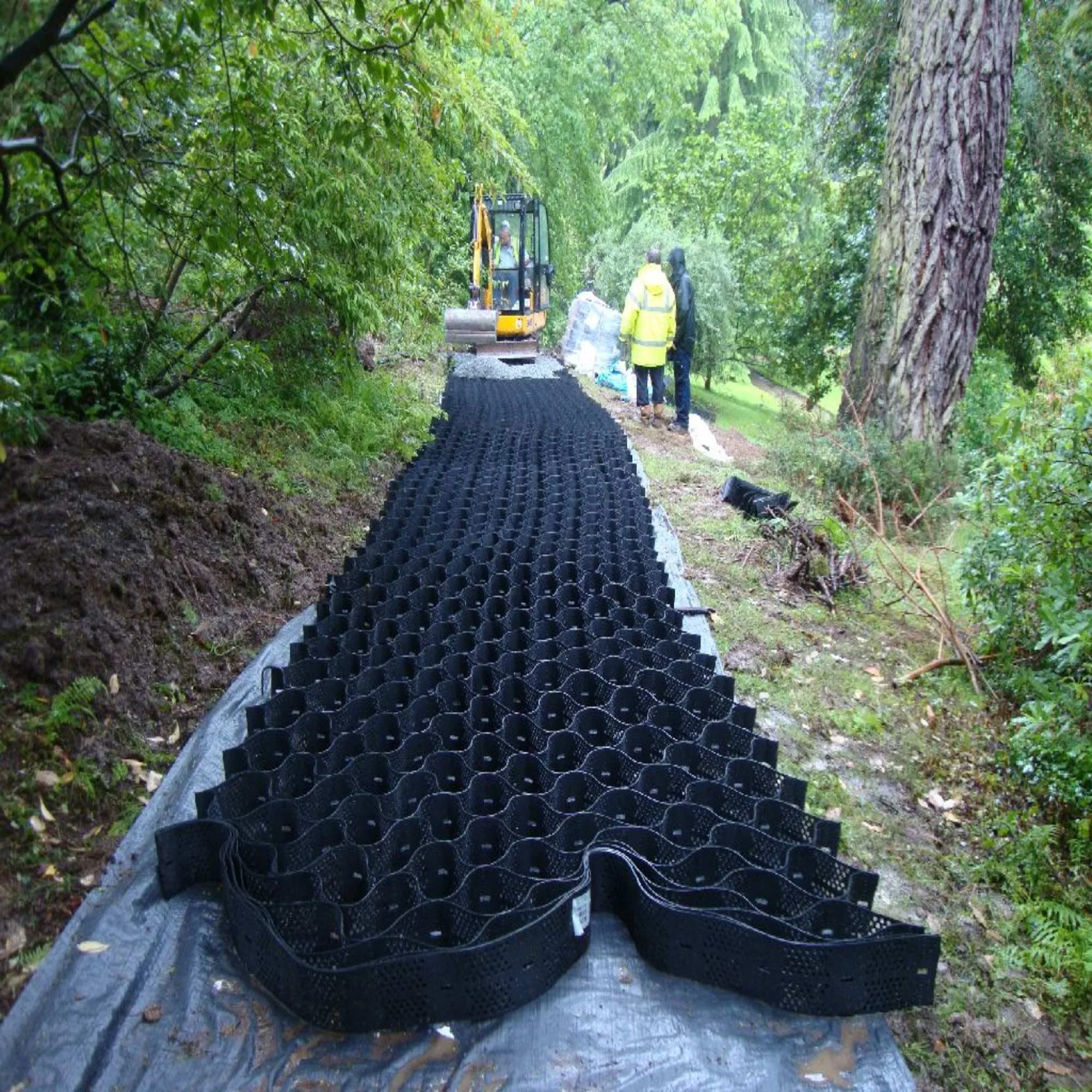
Example of tree protection measures including ground protection boards, Heras panel fencing/pathway, dust sheets, tree hoarding and signage as directed by the Arboricultural Consultant for the duration of the project. Our team will deliver, supply and safely erect, according to our local authority approved methodology, to ensure a successful conclusion. Contact us for further information.

Example of the Tree Constraints Plan shown here which is required before plans are approved by the local authority and subsequently used by construction staff, to ensure all critical tree and root protection guidelines are adhered to by the construction team, the landscapers and client.